fbpx

Falls & Autonomic Dysfunction

Autonomic dysfunction develops when the nerves of the Autonomic Nervous System (ANS) are damaged. This condition is called autonomic neuropathy or dysautonomia.

Autonomic dysfunction can range from mild to life-threatening. It can affect a part / parts of the ANS or the entire ANS. Sometimes the conditions that cause problems are temporary and reversible. Others are chronic, or long term, and may continue to worsen over time.
A myriad of the factors can cause autonomic dysfunction, and more than one can occur in the same patient. Due to the expansive nature of the autonomic nervous system, it can be affected by a wide range of conditions that can be inherited, acquired or side effects of medication for other issues. Often, by testing the most disturbing or salient features of autonomic dysfunction we arrive at a diagnosis.

We specialise in complete brain and mind care.

At Buddhi, We offer a comprehensive program of blended healing that brings together the best each discipline offers – from Brain Stimulation to Psychological Therapy, Ayurveda to Yoga, Cognitive Stimulation to Naturopathy, Physical, Occupational & Speech Therapy Access Buddhi Services through Home Care, In-Hospital & Online models.

Signs & Symptoms

Autonomic dysfunction can affect a small part of the ANS or the entire ANS. Some symptoms that may indicate the presence of an autonomic nerve disorder include:

Diagnosis

While the diagnosis is clinical, at Buddhi Clinic we use a combination of brain imaging, electrophysiology and blood tests to rule out reversible causes or other contributing factors. We also prescribe a thorough pre-rehabilitation assessment including an evaluation for co-morbidities (associated conditions) which will be required in all instances. At Buddhi Clinic our assessment includes standard outcome indicators for activities of daily life, quality of life, neuro-disability and mental health.

Treatment

Combining a detailed clinical evaluation with electro-physiological testing, we have developed a unique model of assessment for people suffering from this complex problem. In the past two years we have taken it one step further, combining conventional drugs for autonomic dysfunction with a unique combination of non-pharmacological therapies. By blending postural exercises with yoga, relaxation, meditation, acupressure & therapeutic massages, we have helped many falling men overcome their failing neurons.
At Buddhi Clinic we analyze intellect, seizures and behaviour in tandem. Our Buddhi Clinic program addresses a gamut of problems – seizures, mood swings, acting out behaviors, delayed self-help skills, problems with emotional expression & socialization, etc. Apart from medication that enhances attention and memory, and improves overall behavioural issues, we have available a range of memory enhancement procedures including –
Print
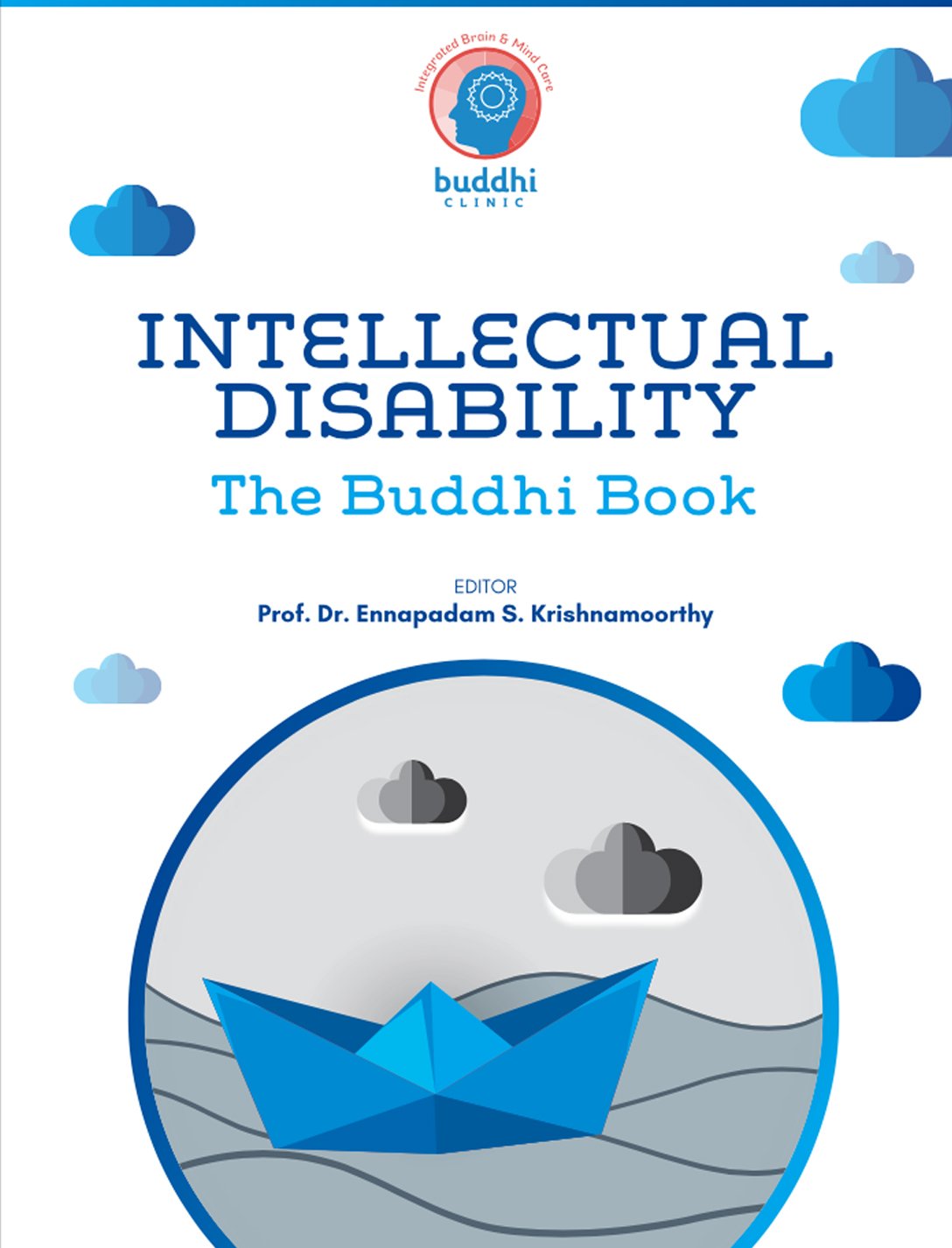
To learn more, please read our story of how to manage Intellectual Disabilities in The Buddhi Book. Patients with intellectual disabilities may also present additional problems, like seizures and behavioral dysfunction in about 50% of cases. At Buddhi Clinic we analyze intellect, seizures and behavior in tandem. Our Buddhi Clinic program addresses a wide range of problems like seizures, mood swings, acting out behaviors, delayed self-help skills, problems with emotional expression & socialization.

All Conditions

All Conditions

At the heart of Buddhi Clinic is integration. We firmly believe that putting a multidisciplinary team together under one roof, to care for you, is merely the first step. To be effective and add life to years, the team has to perform in synchrony. It is here that our unique world class model, developed diligently through years of painstaking research, comes into being.

Related Articles