fbpx

Stroke & Cerebrovascular Disease

Cerebrovascular disease refers to a group of conditions, diseases, and disorders that affect the blood vessels and blood supply to the brain.

One of the giant killers of this century, strokes (brain attacks) have devastating consequences – not just for the brain and body, but also for mental clarity, memory, speech and rational thinking.

Cerebrovascular disease can develop from a variety of causes, including atherosclerosis (where the arteries become narrow) thrombosis, or embolic arterial blood clot (a blood clot in an artery of the brain) or cerebral venous thrombosis (a blood clot in a vein of the brain). If a blockage, malformation, or hemorrhage prevents the brain cells from getting enough oxygen, it could result in life-threatening brain damage.
A stroke almost always happens unexpectedly. Post-stroke treatment should not end after the person exits the hospital. As soon as the patient’s condition becomes stable, the beginning of the rehabilitation process becomes possible.

We specialise in complete brain and mind care.

At Buddhi, We offer a comprehensive program of blended healing that brings together the best each discipline offers – from Brain Stimulation to Psychological Therapy, Ayurveda to Yoga, Cognitive Stimulation to Naturopathy, Physical, Occupational & Speech Therapy Access Buddhi Services through Home Care, In-Hospital & Online models.

Signs & Symptoms

The symptoms of cerebrovascular disease depend on the location of the blockage and its impact on brain tissue.The symptoms of cerebrovascular disease depend on the location of the blockage and its impact on brain tissue.
Different events may have different effects, but common symptoms include:
Urgent medical attention is essential if anyone shows symptoms of a cerebrovascular attack because it can have long term effects, such as cognitive impairment and paralysis.

Diagnosis

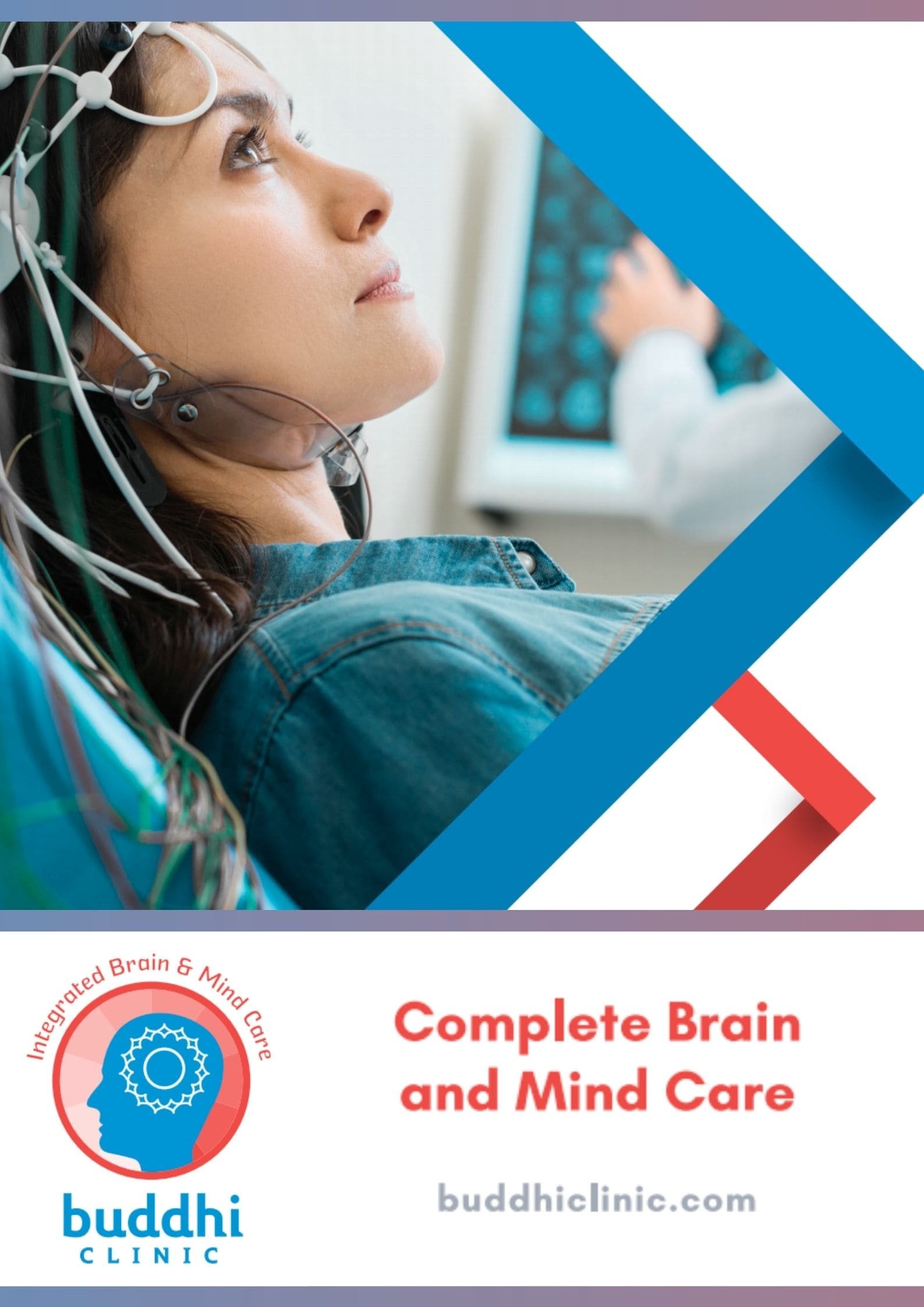
While the diagnosis is clinical, at Buddhi Clinic we use a combination of brain imaging, electrophysiology and blood tests to rule out reversible causes or other contributing factors. We also prescribe a thorough pre-rehabilitation assessment including an evaluation for co-morbidities (associated conditions) which will be required in all instances. At Buddhi Clinic our assessment includes standard outcome indicators for activities of daily life, quality of life, neuro-disability and mental health.

Treatment

Acute strokes need in-hospital medical management, most often, including emergency use of clot busting drugs as deemed appropriate.

After the initial care, patients with strokes need rehabilitation to commence at the earliest.

At Buddhi Clinic we have a comprehensive approach to strokes & cerebrovascular disease. Our in-depth assessment addresses the body, brain and mind in great depth and detail. We identify the key targets of rehabilitation in each individual – physical disability, coordination problems, speech and language difficulties, cognition & memory difficulties, depression, anxiety, and behavioral/emotional problems. We address the problems comprehensively using an integrative approach that blends modern healthcare with ancient wisdom.

Our integrative approach, beyond medication, stimulates the brain and stabilises the mind and includes neuromodulation (rTMS & tDCS), cognitive stimulation, supportive counselling for post-stroke depression and a range of holistic interventions – ayurveda, naturopathy & yoga that help calm the mind and restore normal functioning.

Read our Beyond Medication story of Rehabilitating the Elderly with strokes here!
At Buddhi Clinic we analyze intellect, seizures and behaviour in tandem. Our Buddhi Clinic program addresses a gamut of problems – seizures, mood swings, acting out behaviors, delayed self-help skills, problems with emotional expression & socialization, etc. Apart from medication that enhances attention and memory, and improves overall behavioural issues, we have available a range of memory enhancement procedures including –
To learn more, please read our story of how to manage Intellectual Disabilities in The Buddhi Book. Patients with intellectual disabilities may also present additional problems, like seizures and behavioral dysfunction in about 50% of cases. At Buddhi Clinic we analyze intellect, seizures and behavior in tandem. Our Buddhi Clinic program addresses a wide range of problems like seizures, mood swings, acting out behaviors, delayed self-help skills, problems with emotional expression & socialization.
Untitled design-2-min
The brainchild of a world leader, the Buddhi Clinic combines modern scientific advances (Neuromodulation, Neuropsychopharmacology, Physical & Occupational Therapy, Psychological Therapy) with the wisdom of ancient medical traditions (Acupuncture, Acupressure, Ayurveda, Yoga, Naturotherapy Hydrotherapy, bud- therapy, Payneto-therapy to offer complete brain and mind core thot restores, rehabilitates and rejuvenates the individual.

All Conditions

All Conditions

At the heart of Buddhi Clinic is integration. We firmly believe that putting a multidisciplinary team together under one roof, to care for you, is merely the first step. To be effective and add life to years, the team has to perform in synchrony. It is here that our unique world class model, developed diligently through years of painstaking research, comes into being.

Related Articles